
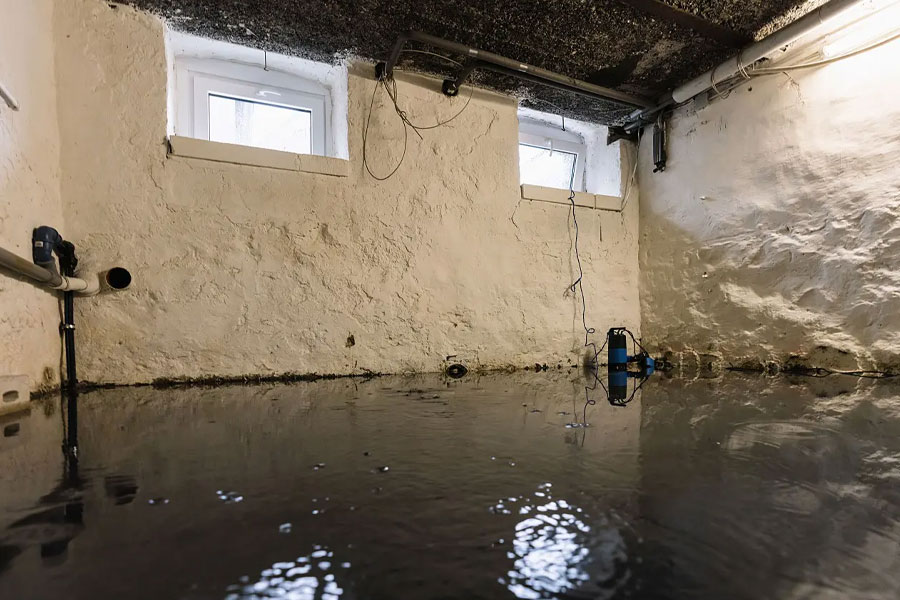
You walk downstairs to grab something from storage and freeze. There’s water pooling in the corner of your basement. Basement water intrusion threatens your home’s foundation, creates health hazards from mold, and can destroy everything you’ve stored below.
If you’re a homeowner in Macon or Middle Georgia, preventing basement water intrusion can save you thousands of dollars and protect your biggest investment. Here are the most common causes of basement water problems and how you can stop leaks at their source.
Why Does Water Get Into Basements?
Think of water like an unwanted guest; it’ll find any way into your home if you let it. When rain can’t drain away from your foundation, it pools around your basement walls. Then it seeps through cracks, joints, and pores in the concrete.
Here in Macon, we face an extra challenge. Our clay-heavy soil acts like a sponge that won’t let go. It holds water against your foundation and creates intense pressure on your walls. That’s why so many Middle Georgia homeowners battle basement leaks.
Fortunately, you can stop basement water intrusion for good. The key is fixing what’s causing the problem, not just wiping up water after it gets in. Here are six common causes and how to fix them.
1. Poor Drainage and Grading
The Problem: The ground around your home should slope away from your foundation at least six inches over the first ten feet. When your yard slopes toward your house instead, every rainstorm sends water rushing straight to your basement walls. This is the most common reason homeowners discover water in their basement.
The Fix: Regrading your yard creates a natural path for water to flow away from your home. You can also add or improve drainage systems, like French drains that capture and redirect groundwater before it reaches your foundation. These exterior solutions prevent water from ever reaching your basement walls.
2. Foundation Cracks Let Water Seep Through
The Problem: Your foundation naturally settles over time, and hairline cracks can develop in concrete or block foundations. When hydrostatic pressure builds up from water in the soil, it pushes moisture through even the smallest cracks. In Macon’s expanding clay soil, this pressure increases significantly during wet seasons.
The Fix: Small cracks might seem harmless, but they grow larger over time. Professional foundation crack repair involves more than just patching the surface. Proper repairs seal cracks from the exterior, apply waterproof membranes, and address the pressure causing the damage. This prevents water intrusion and protects your home’s structural integrity.
3. Gutters and Downspouts Failing to Do Their Job
The Problem: Your gutters collect thousands of gallons of water from your roof during storms. If they’re clogged with leaves, damaged, or if downspouts dump water right next to your foundation, all that water saturates the soil around your basement walls. This creates the perfect storm for leaks.
The Fix: Clean your gutters twice a year and repair any damaged sections. More importantly, extend downspouts at least 6-10 feet away from your foundation. You can use downspout extensions, splash blocks, or even connect them to underground drainage pipes that carry water far from your home.
4. Hydrostatic Pressure Pushing Water Inside
The Problem: When the soil around your foundation becomes waterlogged, it creates hydrostatic pressure, essentially, water pushing against your basement walls from the outside. Even solid concrete can’t withstand this constant pressure indefinitely. Water finds its way through pores, cracks, and joints in your foundation.
The Fix: The most effective solution is exterior basement waterproofing. This involves excavating around your foundation, applying waterproof membranes and protective coatings, and installing drainage systems like weeping tiles or French drains. By keeping water away from your walls and giving it an escape route, you eliminate the pressure that causes leaks.
5. Window Wells Collecting Water
The Problem: Basement windows sit below ground level in wells that can fill with water during heavy rain. Without proper drainage, these wells become miniature swimming pools that leak through window seals or cracks around the window frame.
The Fix: Install window well covers to keep rain out. Add drainage at the bottom of the well, either connecting to your foundation drainage system or creating a gravel bed that allows water to percolate away. Make sure window seals are intact and properly caulked.
6. Macon’s Clay Soil Makes Waterproofing Harder
The Problem: The clay soil common throughout Macon and Middle Georgia creates special challenges for basement waterproofing. Clay expands when wet and contracts when dry, putting stress on your foundation. It also drains poorly, keeping water near your foundation longer than sandy or loamy soil would.
The Fix: Solutions for clay soil areas require understanding local conditions. This might mean more robust drainage systems, specific grading techniques, or waterproofing methods proven to work in Middle Georgia’s climate. Working with contractors who have experience in your specific area makes a significant difference in long-term results.
Should You DIY or Call Professionals?
Some prevention measures, like cleaning gutters and adding downspout extensions, make great DIY weekend projects. However, basement water intrusion caused by foundation issues, inadequate drainage systems, or hydrostatic pressure requires professional expertise.
Interior fixes like sealant paints only treat symptoms. They might temporarily hide the problem, but water will keep trying to get in. Exterior waterproofing stops water before it reaches your basement walls, solving the problem where it starts.
Frequently Asked Questions
What is the most common cause of basement water intrusion?
Poor drainage around the foundation is the leading cause, often combined with inadequate gutters that direct water toward your home rather than away from it.
Should I waterproof my basement from the inside or outside?
Exterior waterproofing is more effective because it stops water before it reaches your basement walls, preventing hydrostatic pressure and structural damage at the source.
Can I fix basement water problems myself?
Minor issues like gutter maintenance and grading improvements can be DIY projects, but foundation cracks, drainage systems, and waterproofing membranes require professional expertise.
How long does basement waterproofing last?
Professional exterior waterproofing with quality materials can last 20-30+ years when properly installed and maintained.
Preventing Basement Water Intrusion Since 1988
Since 1988, we at Dig Um Up have specialized in stopping basement water problems where they start—outside your home. While many companies only manage water after it enters, we fix the problem at its source. Our team has spent over 35 years developing methods specifically for Middle Georgia’s soil and weather conditions.
Don’t wait for a small leak to become a major disaster. Call us today at 478-737-6099 or schedule your free professional inspection online. We’ll identify the cause of your water problems, explain your options, and help you make an informed decision about protecting your home. Let’s keep your basement dry.
Expert Exterior Basement Waterproofing Professionals
Serving Macon, Milledgeville, Sinclair, Warner Robins, and the Middle Georgia Area